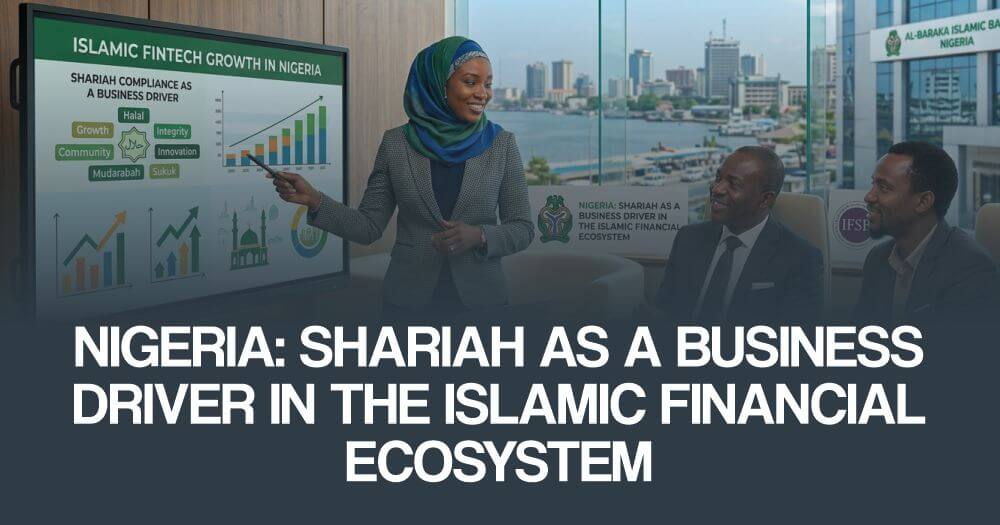
The Nigerian Islamic finance industry is experiencing a significant growth trajectory, driven by government policy pushes and the issuance of Sukuk. As of late 2022, the industry was valued at approximately $2.9 billion, with Sukuk accounting for 57% of the market and Islamic banking following at 42%.
Core Components of the Ecosystem
The Islamic financial ecosystem in Nigeria relies on institutions that strictly comply with Shariah rules and principles. It is divided into several key segments:
- Non-Interest Banking: Growing rapidly due to new bank establishments and more flexible regulatory requirements compared to conventional banking.
- Sukuk: Nigeria currently holds the largest Sukuk market in Africa, with outstanding issuances totaling NGN755.5 billion ($979.25 million).
- Takaful (Islamic Insurance): Introduced as a Shariah-compliant alternative to conventional insurance, which was deemed forbidden due to elements of uncertainty and usury.
The Takaful Model
Takaful operates as a “win-win” mutual insurance scheme where participants share in a surplus.
- Surplus Origin: Surplus arises from favorable mortality experiences, excess investment income, or premium expense loadings that exceed actual costs.
- Calculation: It is calculated as total contributions minus claims paid, operator fees, and reserves.
Regulatory Oversight
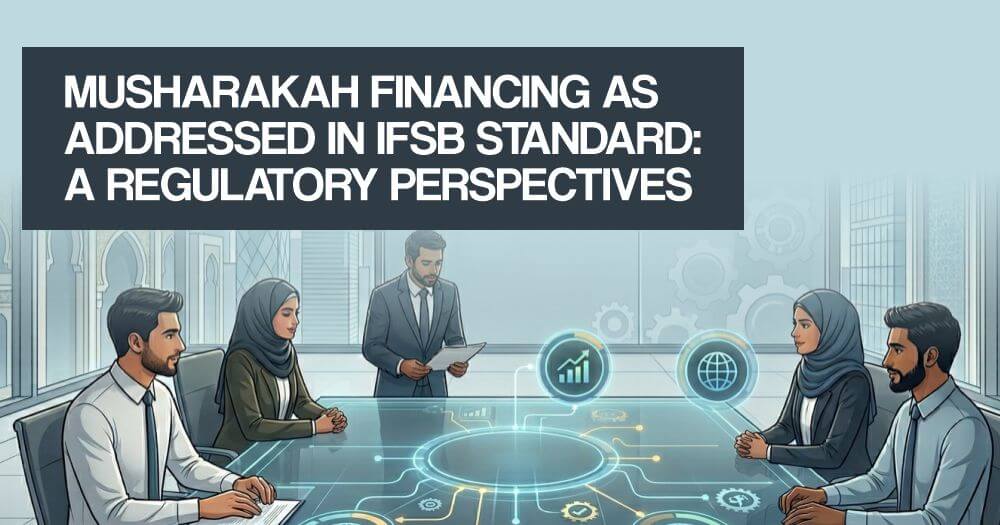
The industry is governed by two primary bodies that adopt international standards from the Islamic Financial Services Board (IFSB):
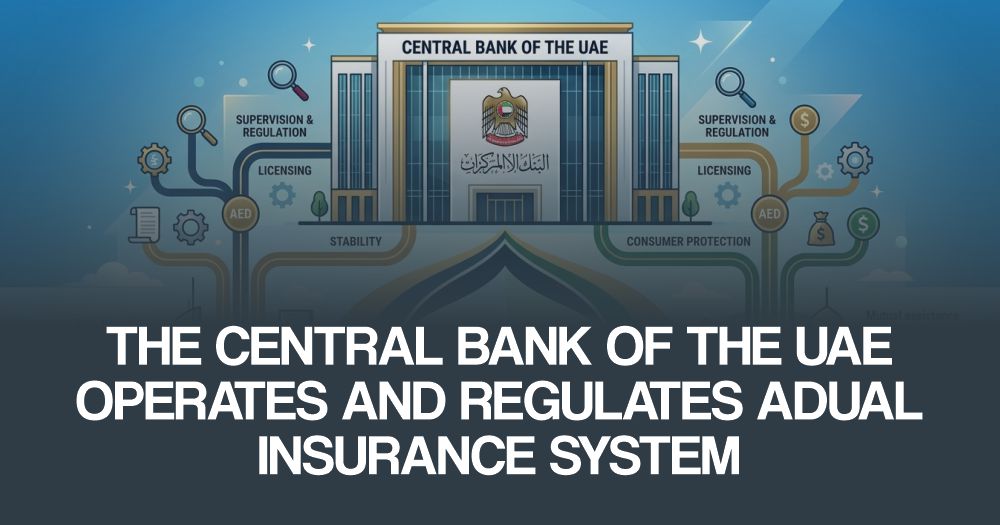
- Central Bank of Nigeria (CBN): Regulates and supervises non-interest banking activities.
- National Insurance Commission (NAICOM): Oversees Takaful undertakings through a dual insurance system that operates alongside conventional insurance.
Challenges and Future Outlook
Despite its potential for financial inclusion, the sector faces several hurdles, including low public awareness, a limited physical footprint for Islamic banks, and a shortage of Shariah-expert professionals. However, the industry remains a promising alternative to the conventional system, offering untapped growth potential for both Muslims and non-Muslims.