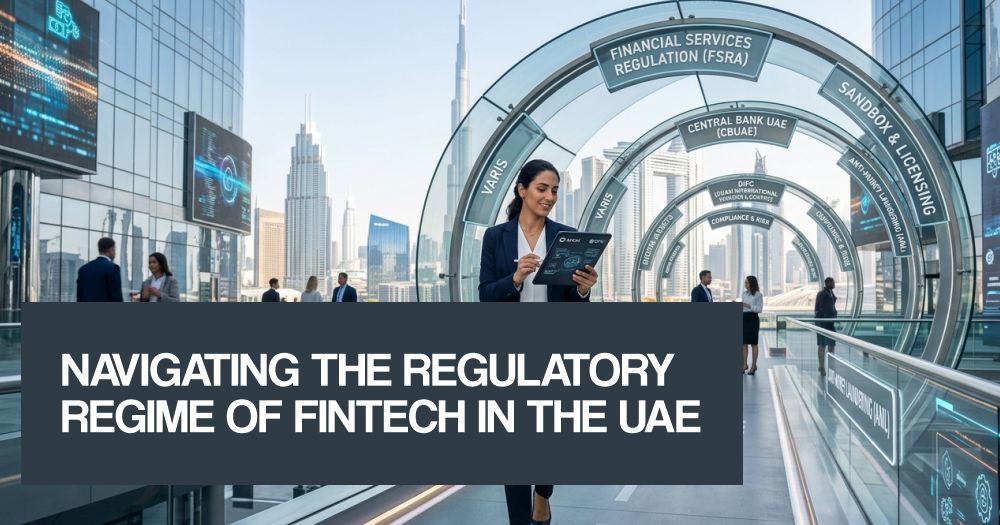
The UAE has established itself as a global hub for Shariah-compliant fintech innovation by merging modern technology with traditional Islamic finance principles. The regulatory landscape is designed to foster a conducive environment for growth while ensuring strict adherence to Shariah compliance and ethical standards.
Key Regulatory Bodies
The regulatory framework is characterized by a collaborative approach involving several key entities:
- Dubai Financial Services Authority (DFSA): Proactively engages with industry stakeholders to create tailored frameworks for Islamic financial products.
- Securities and Commodities Authority (SCA): Regulates activities such as Shariah-compliant cryptocurrency assets, crowdfunding, and P2P lending platforms.
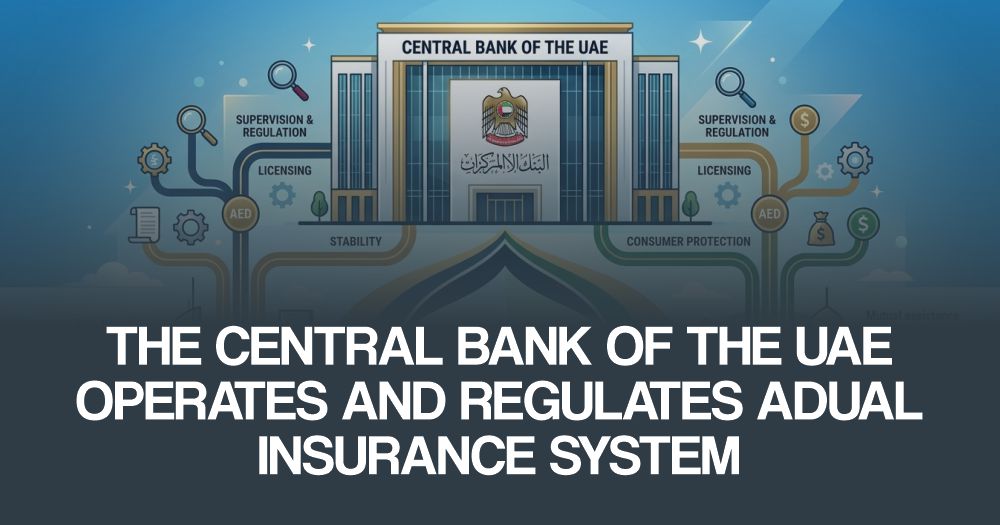
- Central Bank of the UAE (CBUAE): Provides guidelines for Islamic banks adopting fintech solutions and oversees digital transaction standards, such as the 2017 framework for stored value facilities.
Innovation and Support Mechanisms
To balance innovation with security, the UAE has implemented specific initiatives:
- Regulatory Laboratory (Sandbox): Allows fintech start-ups to test products in a controlled environment without immediate full regulatory requirements.
- Legal Recognition: UAE courts have begun recognizing the evolving Web3 economy, including the acceptance of cryptocurrency in employment contracts.
- Technological Integration: The region encourages using blockchain for transparent transactions and robo-advisors for automated, Shariah-compliant investment solutions.
Future Outlook
The UAE aims to solidify its position as a leading global center for Islamic fintech by maintaining a robust and competitive sector. Through continued cooperation between regulators, Shariah experts, and industry participants, the country seeks to drive financial inclusion and economic diversification.